Physical Interaction System Design
Role: Game Designer / Interaction Designer
Focus: Embodied interaction, physical affordances, player behavior, and hardware constraints
Context: Graduate Studio Project, Parsons
Exhibition: Babycastles Public Exhibition
Focus: Embodied interaction, physical affordances, player behavior, and hardware constraints
Context: Graduate Studio Project, Parsons
Exhibition: Babycastles Public Exhibition
Overview
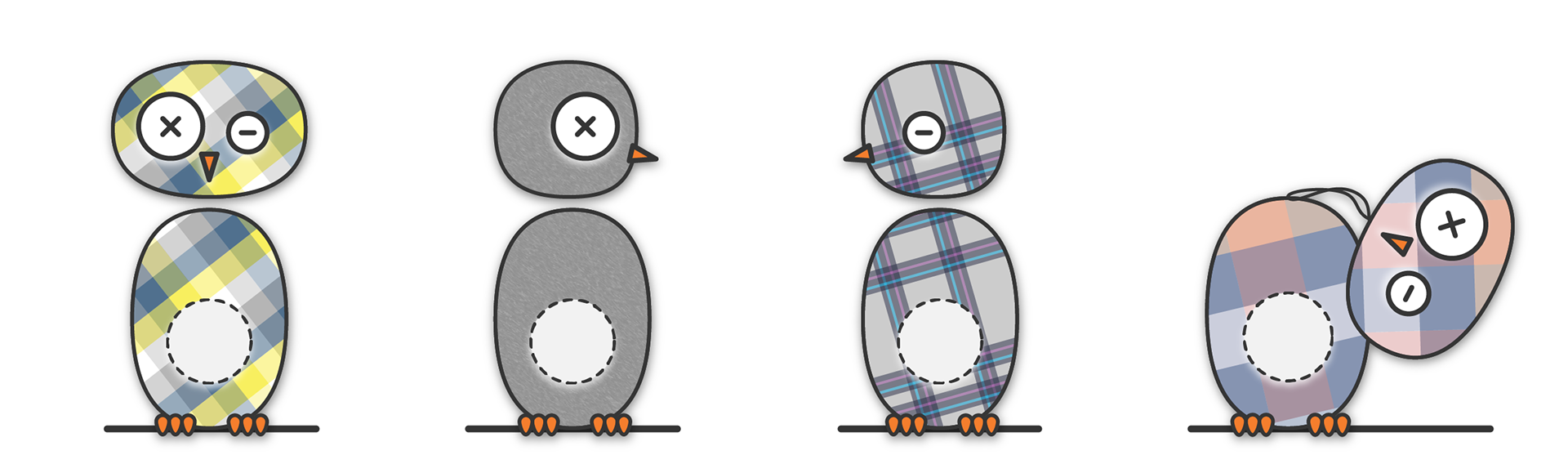
Owl Prowl is a competitive game built around unconventional physical controllers. Players rotate plush owl heads to navigate the game space and collect targets, translating physical motion directly into gameplay.
The project explores how controller design, physical affordances, and durability shape player behavior in public installations. It highlights the relationship between hardware constraints and interaction design, particularly in high-traffic, multi-user environments.
Design Goal
"How can physical interaction enhance competitive play and accessibility in a fast-paced multiplayer game?"
Rather than relying on traditional buttons or joysticks, Owl Prowl aimed to create an intuitive, tactile control scheme that invited immediate engagement, even for first-time players.
Controller Design
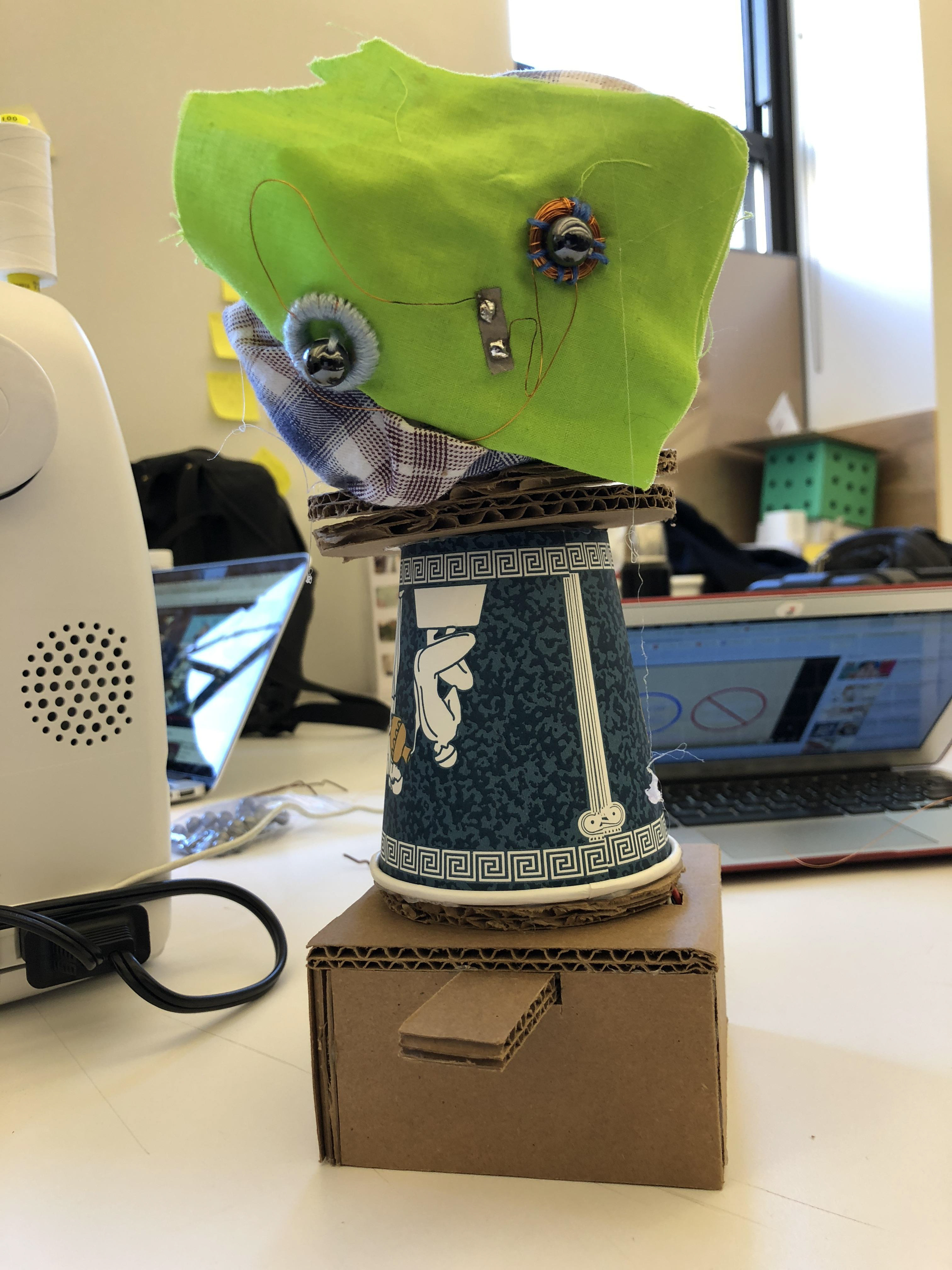
Each player controlled an owl plush equipped with a potentiometer embedded in the head.
• Rotating the owl’s head controlled directional movement
• The plush form factor encouraged playful, exaggerated motion
• No instructions were required for most players to begin playing
This design intentionally prioritized approachability and instinctive interaction over precision.


Owl plush controller and internal hardware
Public Exhibition & Playtesting
Owl Prowl was exhibited publicly at Babycastles, where it was played by a wide range of participants with varying levels of familiarity with games.
During the exhibition, we observed:
• Players applying far more force than anticipated
• Competitive excitement leading to aggressive interaction
• Physical controllers degrading rapidly under real-world use
In short: players broke the owls almost immediately.

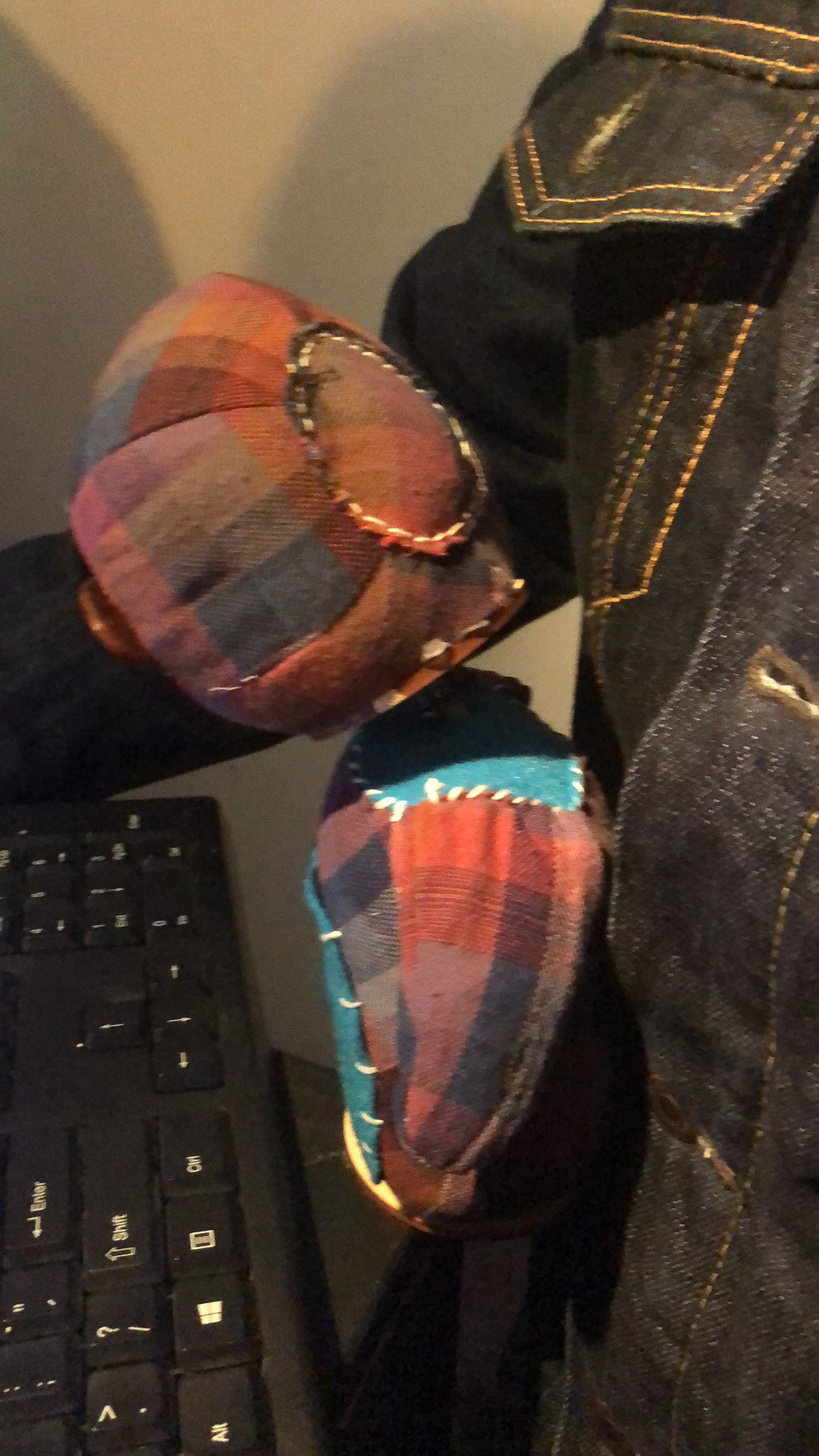
Pre and post exhibition
Key Insight
This outcome revealed a critical gap between designed intent and real-world player behavior.
While the controllers communicated “soft” and “friendly,” players treated them as competitive tools under pressure. The plush affordance unintentionally encouraged rough handling rather than care.
This experience reinforced a core design lesson:
Players do not protect objects, they optimize for winning.
Reflection & Learning
If iterated further, this project would require:
• Re-evaluating material durability for public installations
• Aligning physical affordances with expected player force
• Designing controllers that fail gracefully rather than catastrophically
• Treating physical robustness as a core UX requirement, not a technical detail
Owl Prowl fundamentally changed how I approach interaction design, particularly in contexts where emotion, competition, and physicality intersect.