Workflow Systems & Spatial UX
Role: UX / Interaction Design / Systems Design
Focus: Information architecture, workflow optimization, configuration systems, and scalable spatial interaction patterns
Scope: Solo project
OVERVIEW
This case study is a continuation of Scoops & Stardust, focusing on workflow systems and spatial UX design. While Part 1 explored the game’s core resource economy and progression structure, this section examines how players interact with the system through customization, spatial organization, and workflow-driven decision-making.
The focus shifts from macro gameplay systems to player-facing interaction structures that support creation, configuration, and environmental expression.
CORE INTERACTION MODEL
Player customization operates across two interconnected layers: expressive configuration and functional impact. Customization is not purely cosmetic, it simultaneously functions as both player expression and systemic input into gameplay outcomes.
Expression Layer
Players shape the visual and spatial identity of their world through environmental customization, layout decisions, and cosmetic configuration.
Functional Layer
Player choices directly influence gameplay behavior, affecting resource generation, efficiency, and encounter outcomes.
HIERARCHICAL SPATIAL DESIGN
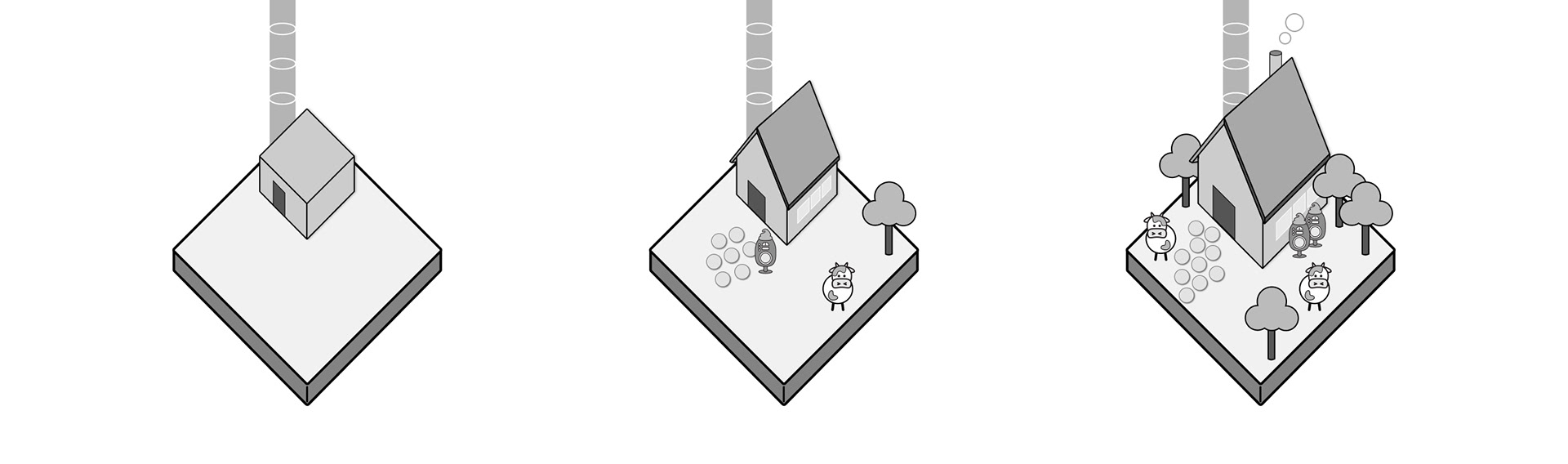
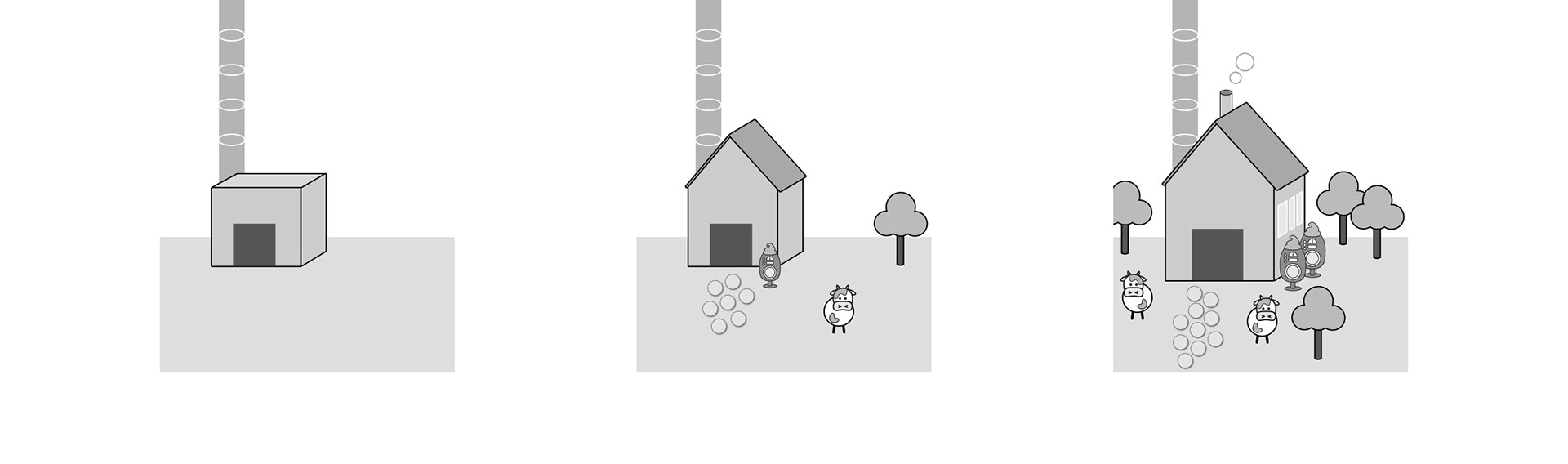
The system operates across two interconnected spatial layers: macro-world structure and micro-level interaction spaces.
Macro Layer - World Structure
At the macro level, players define the organization of their world through Terrarium Blocks, determining environmental layout and high-level resource distribution.
Macro structure establishes:
• environmental zones
• resource availability
• spatial identity of the world
Micro Layer - Interaction Systems
At the micro level, players interact with individual systems including resource definition, functional workflows, and visual customization.
Micro decisions include:
• what resources to produce
• how spaces are arranged
• how systems are visually configured
System Relationship
Macro structure constrains and contextualizes micro-level decisions, while micro-level changes continuously feed back into the macro environment through visual and systemic updates.
• Macro defines structure → influences micro choices
• Micro modifies systems → updates macro presentation
Key Insight
While micro-level changes do not fundamentally alter core gameplay rules, they continuously reshape the player’s perception of their world, reinforcing a sense of growth, ownership, and evolving spatial identity.
RESOURCE DEFINITION
Farm Production System
The Farm Production System operates across both the Macro and Micro layers.
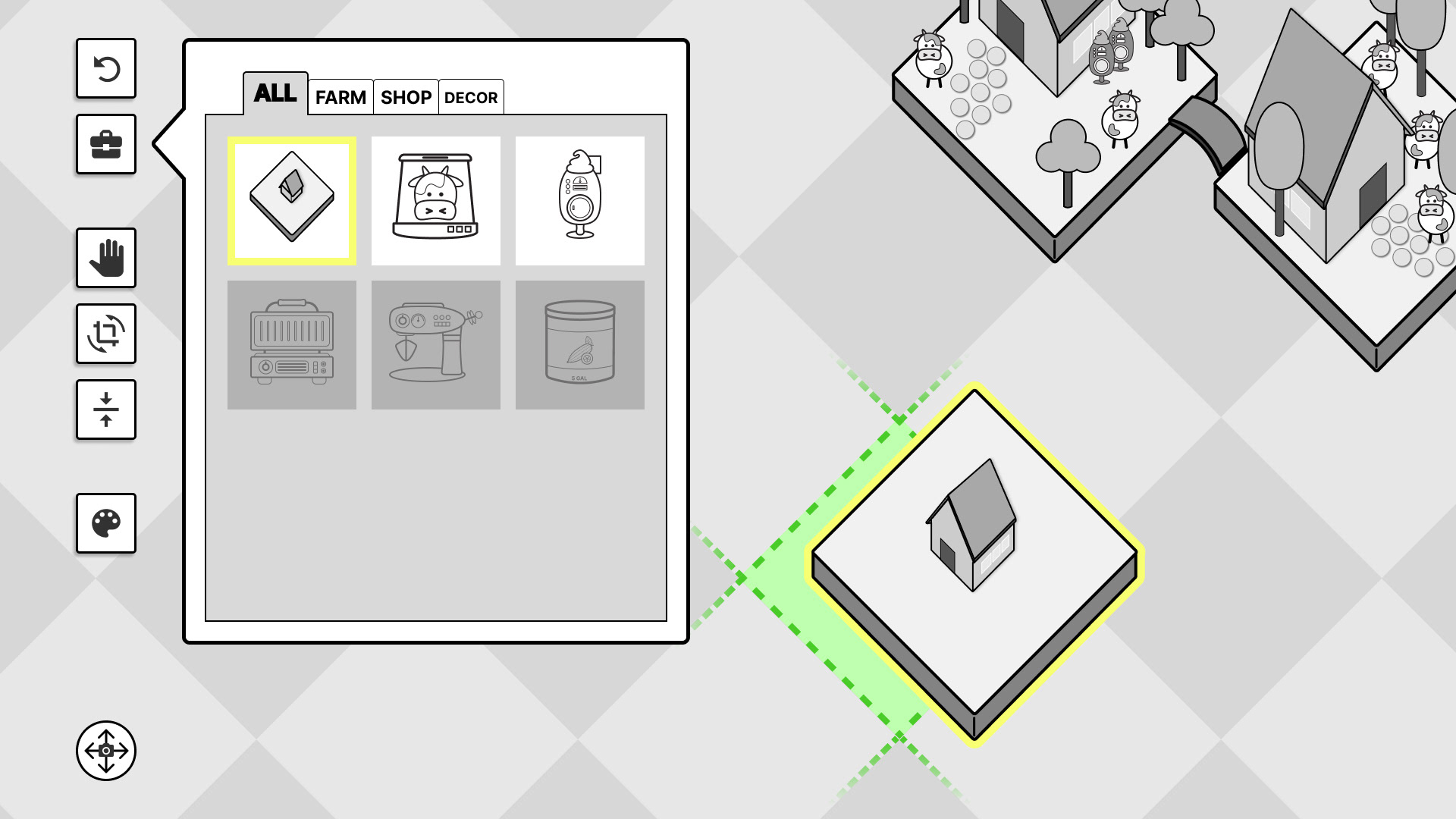
Asset Permissions
The Macro layer determines the quantity and type of Terrarium Blocks available within the environment. These decisions establish the production assets that can be placed within each Micro layer space.
Asset Constraints
Players are provided with a comparison between current asset allocation and available capacity, helping them evaluate expansion opportunities and production tradeoffs before making placement decisions.
FUNCTIONAL INTERACTION
Shop Management System
Shop Management customization directly influences how players interact with the Core Transactional System. These configuration choices allow players to optimize operational efficiency or tailor the experience to their preferred playstyle.
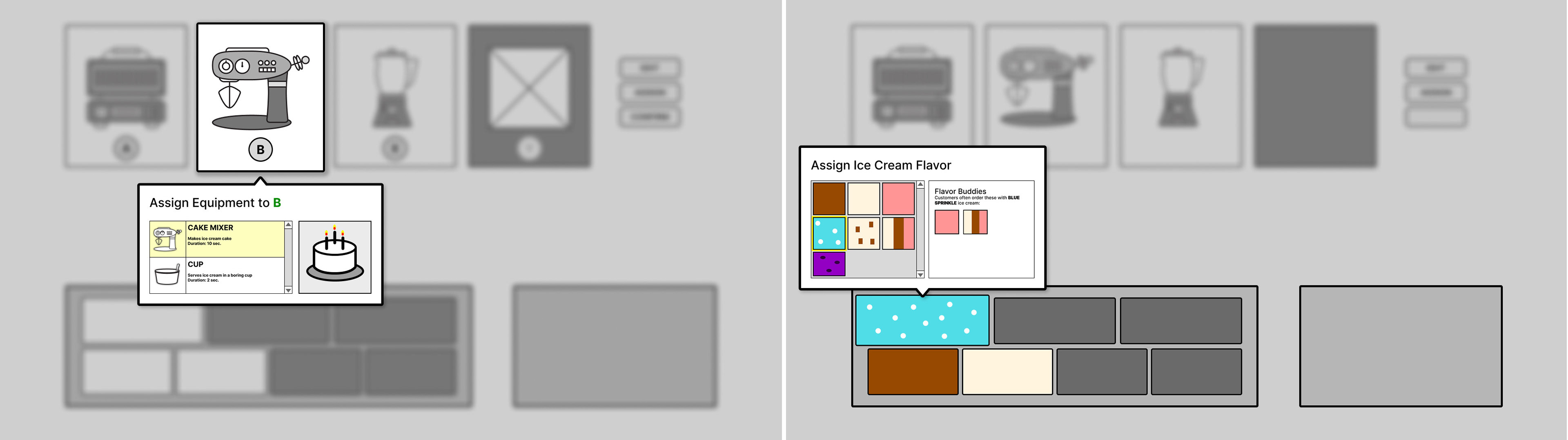
Equipment Customization
Players can map equipment to controller inputs of their choice. Equipment turnaround times are surfaced during configuration, helping players evaluate efficiency tradeoffs before committing to a workflow.
Ingredient Customization
Players can curate the ice cream flavors and toppings available in their store. Pairing recommendations are surfaced during selection, helping players identify complementary combinations that streamline ordering and merchandising decisions.
ENVIRONMENTAL UX
Visual Identity systems
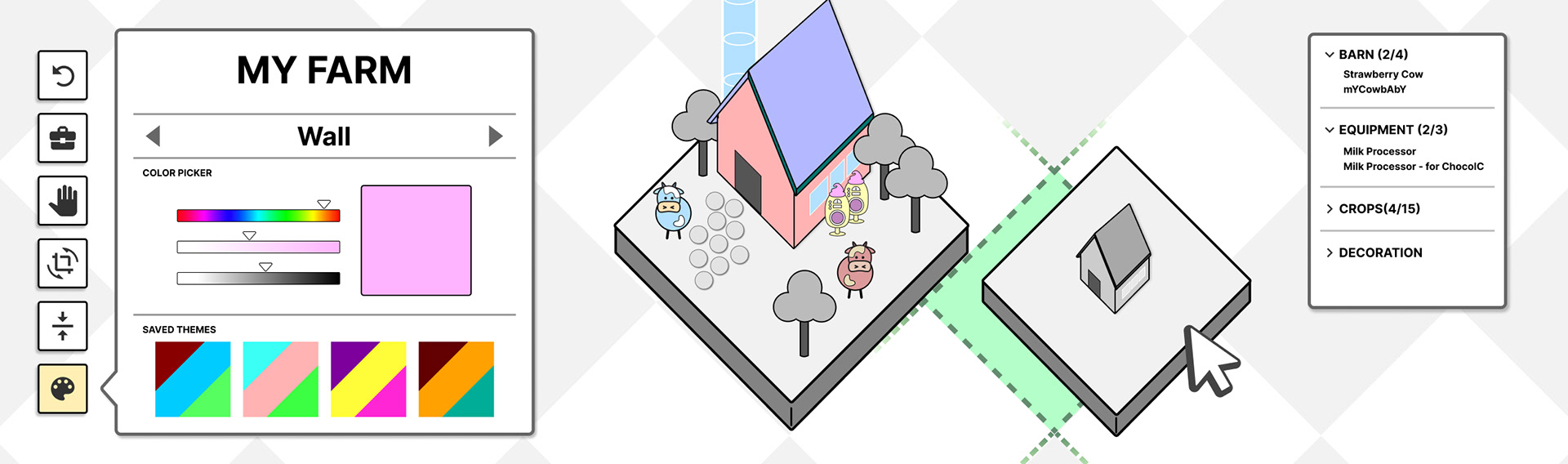
Beyond functional configuration, players are also given tools to shape the visual identity of their environment through a shared customization workflow. Visual customization follows a consistent interaction pattern across multiple asset categories. By reusing shared workflows across objects, the system reduces learning overhead and supports efficient environmental editing.
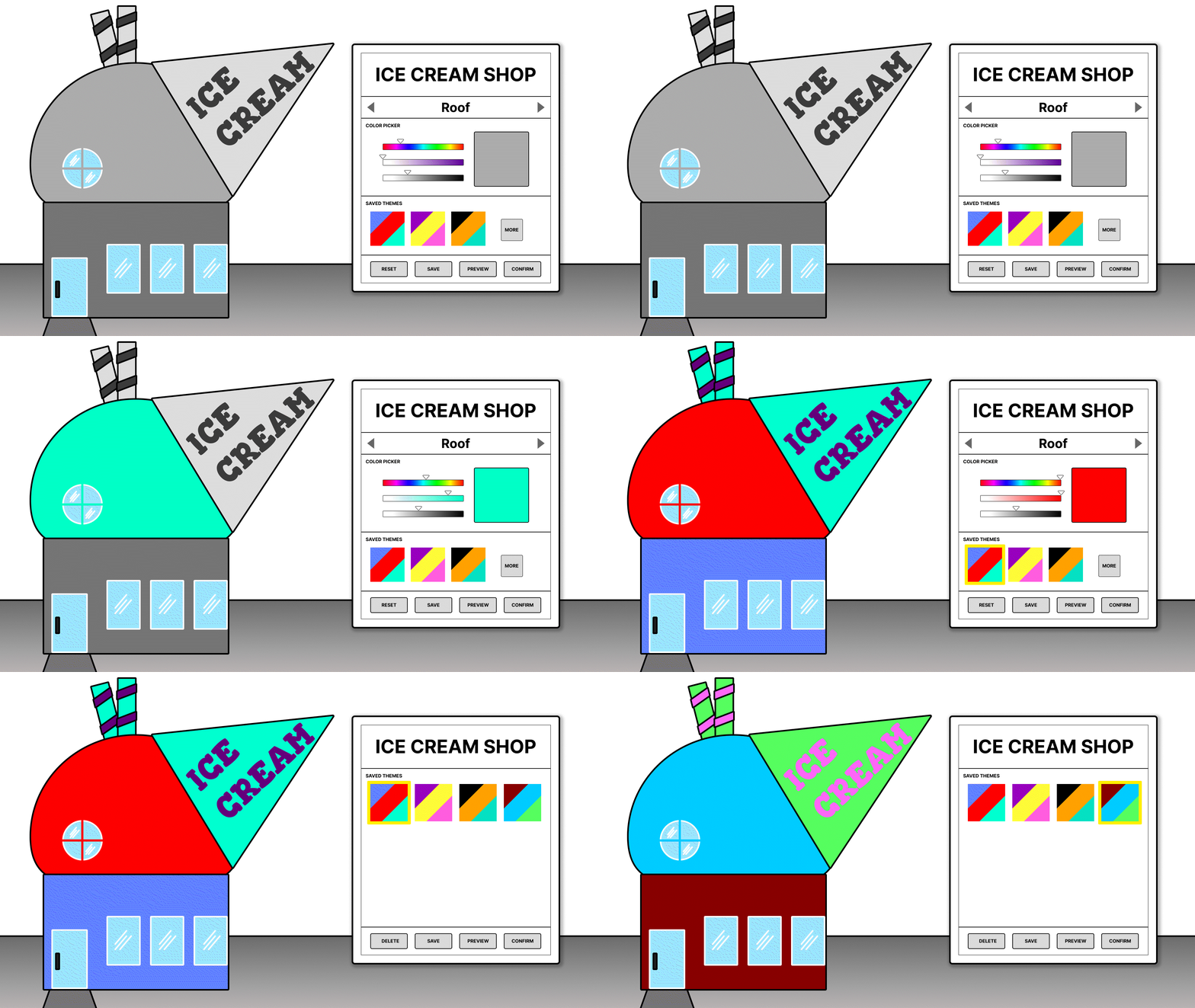
Saved Themes
Players can save and reuse color configurations across environments and asset categories, supporting visual consistency while reducing repetitive customization tasks.
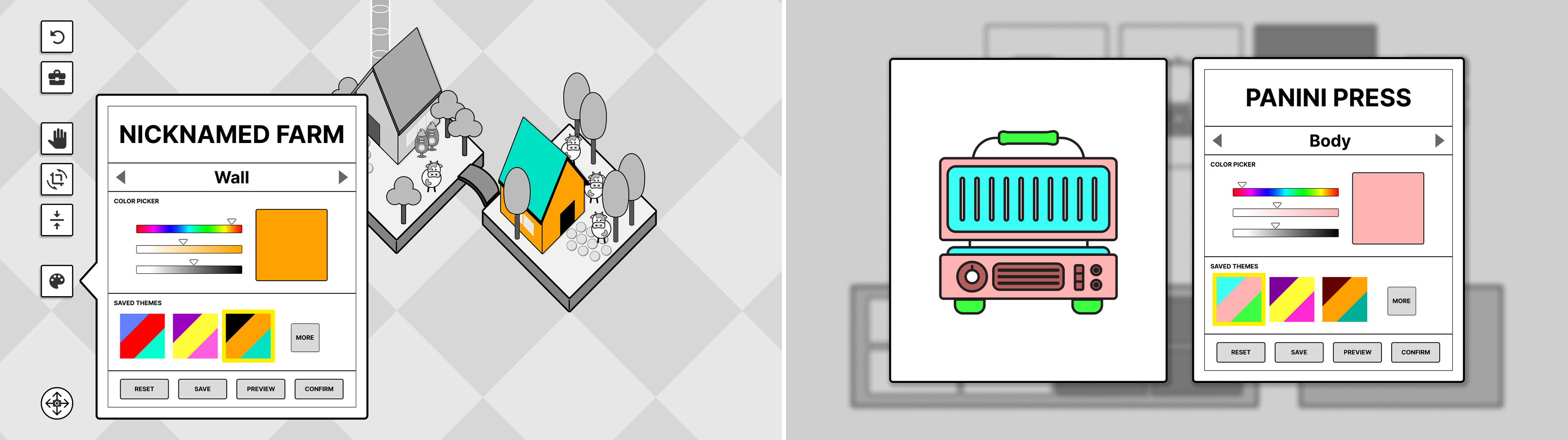
Reset
Allows players to instantly restore an object to its original palette state without manually reverting individual changes.
Preview
Allows players to evaluate environmental changes within the context of the larger space before committing to a final configuration.
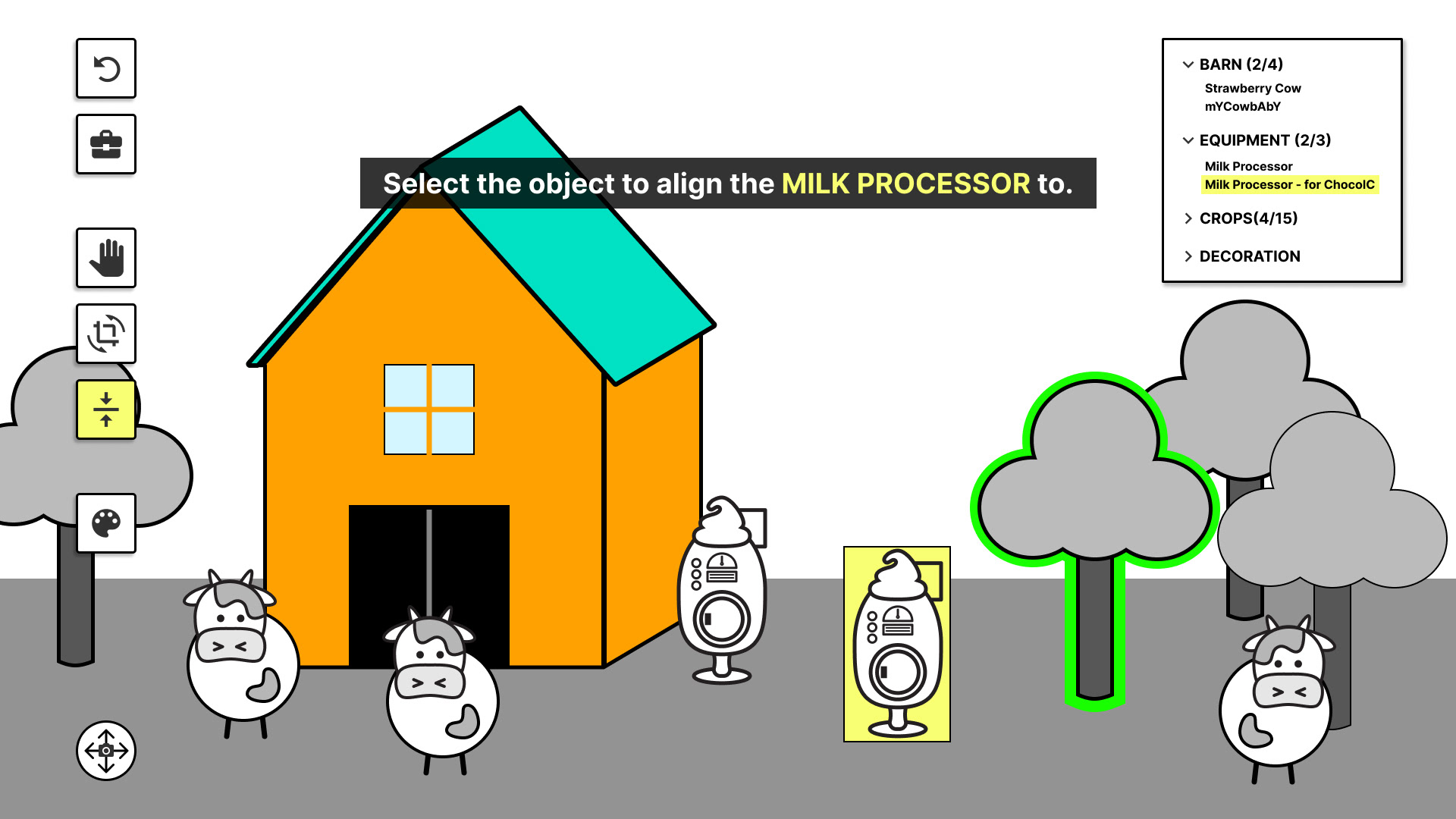
Align Tool
Assists with spatial organization by automatically aligning assets to existing objects, reducing placement friction and supporting consistent environmental layouts.
Workflow UX Considerations
Informed Decision-Making
Contextual information is surfaced at the point of interaction, helping players evaluate production, merchandising, and customization choices without interrupting workflow.
Adaptive Planning
Systems support experimentation and reconfiguration, allowing players to revise layouts, inventory selections, and environmental organization as goals evolve.
Scalability
Consistent workflow patterns are applied across systems to support a unified interaction model, reducing complexity in both production pipelines and user onboarding.